Private Label Supplement Manufacturing for Maine Brands
Maine’s supplement market is defined by coastal botanical sourcing and niche premium-DTC brands. For brand owners briefing a supplement project, DAT Supply provides a remote coordination model that connects Maine-based concepts with DAT's project-managed production workflow, offering a clear path from formulation to commercial launch without requiring local manufacturing infrastructure.
Maine has Augusta as its capital and Portland as its largest commercial city, serving a population of 1 million. Key cities include Portland, Bangor, Lewiston, Augusta. The state's distinctive supplement footprint is anchored around the Portland and Bangor natural-products and outdoor-active DTC clusters. On the supplement industry signal: Coastal botanical sourcing + niche premium-DTC brands. Maine is a Northeast natural-products founder market. For brand owners briefing DAT Supply, Maine is treated as a US-market launch operating under federal DSHEA rules: the brand owner is the responsible label holder, the product is manufactured under 21 CFR Part 111 quality-managed manufacturing rules, and any state-specific labelling (the most common being California Prop 65) is reviewed at the artwork gate. Logistics typically run through the Port of Portland (Maine), which DAT coordinates as part of a single project alongside manufacturing, documentation and ingredient sourcing. Where the brand owner has multi-state ambitions, neighbouring markets are listed in the internal links below for a single artwork project covering the wider region.
Coastal botanical sourcing + niche premium-DTC brands Reading the Maine signal for a brand owner brief: the state's distinctive footprint is anchored around the Portland and Bangor natural-products and outdoor-active DTC clusters. Maine is a Northeast natural-products founder market. Federal DSHEA rules apply uniformly, so the regulatory backbone is identical to every US state; the differentiator is the cluster, the port access and the DTC channel concentration.
Dietary supplements in Maine are regulated federally by the US Food and Drug Administration under the Dietary Supplement Health and Education Act (DSHEA, 1994), codified at 21 USC §321(ff) and 21 USC §343. Manufacturing is governed by 21 CFR Part 111 (Current Good Manufacturing Practice for dietary supplements) and labelling by 21 CFR §101.9 (Nutrition labelling) and 21 CFR §101.36 (Supplement Facts panel). Structure-function claims — those that describe an effect on the structure or function of the body without making a disease claim — are permitted under DSHEA §6 when accompanied by the FDA-prescribed disclaimer set out at 21 CFR §101.93(c). The Federal Trade Commission separately reviews advertising substantiation under the FTC Act §5. Common rejection patterns on US labels: (i) language that crosses from structure-function into the drug-claim line, (ii) structure-function copy that omits the FDA-prescribed disclaimer, (iii) percent-daily-value calculations that diverge from the FDA reference values, and (iv) implied weight-loss copy without substantiation. State-specific framework for Maine: Maine operates under federal DSHEA; the ME Department of Agriculture, Conservation and Forestry handles food complaints. Maine has historically been a strong natural-products founder state DAT's artwork gate reviews every claim on the pack against the federal framework and any state-specific overlay (the most common being California Prop 65 for products distributed into California) before the brand owner signs off. Where the brand owner is preparing for a regulated retail channel (Whole Foods, Costco, Walmart, Target, Sprouts, Sam's Club), DAT supports the retailer-specific documentation pack including the Certificate of Analysis, allergen statement, manufacturing-facility registration confirmation, and country-of-origin declarations. Cert panel commonly seen on US pack: USDA Organic, Non-GMO Project Verified, Certified Vegan / Vegan Action, kosher (OU, Star-K, OK), halal (IFANCA or HFSAA), and B Corp where the brand owner has the certification. FDA registration considerations: the manufacturing facility must be a registered food facility under the Bioterrorism Act (FDA Food Facility Registration, renewed biennially) and the brand owner must file a Notification of New Dietary Ingredient (NDI) at least 75 days before introducing any ingredient not marketed in the US food supply before October 15, 1994 — the NDI route is the federal mechanism for new ingredients. Substantiation expectations: structure-function claims must be supported by competent and reliable scientific evidence in the brand owner's file at the time of marketing, per FTC guidance. The substantiation file is the brand owner's responsibility; DAT supplies the formulation specification and ingredient-level documentation that feeds into it. Recall infrastructure: every batch is identifiable by lot code and traceable through the production records, so any FDA Adverse Event Reporting (under the Dietary Supplement and Nonprescription Drug Consumer Protection Act, AERS) or voluntary recall can be executed on a defined production window.
Brands DAT typically briefs from this market
- 01
DTC wellness brands — direct-to-consumer founders headquartered in the Portland and Bangor natural-products and outdoor-active DTC clusters, briefing Make it Yours gummy or capsule SKUs that differentiate on active stack and packaging format, with structure-function copy reviewed against the DSHEA disclaimer requirement.
- 02
Established multi-SKU ranges — mature brands with five-to-thirty SKUs running replenishment cycles on a white-label basis, requiring the standard documentation package and a batch-specific Certificate of Analysis available on request.
- 03
Retail private-label programmes — grocery, club and specialty retail private-label buyers requiring scale unit economics, retailer-specific documentation, and any state-specific overlay (most commonly California Prop 65 where distribution into California is in scope).
- 04
Specialty channel founders — fitness, beauty, sports nutrition, pet wellness and clinical-professional channel brands with channel-specific claim positioning; the working route is typically Make it Yours or custom, with stability data added to the documentation pack.
- 05
Multi-state expanding brands — brand owners using Maine as a base for a wider US footprint, re-using the artwork base across multiple states with state-specific overlays where required (Prop 65 for California; the New York Attorney General's botanical-authenticity standard for sensitive botanicals).
The five demand categories most often briefed for Maine are: (i) sleep and stress — gummies, soft chews and oral strips lead, with structure-function claims ("supports restful sleep", "supports a healthy stress response") backed by the required DSHEA disclaimer; (ii) beauty and skin — gummies dominate, with structure-function copy around "supports healthy hair, skin and nails"; (iii) energy and focus — gummies, capsules and powders for stick-packs cover the range; (iv) immune support — gummies, tablets and powders, with structure-function copy around "supports immune function"; and (v) kids and family multi-vitamin — gummies dominate, with allergen statements and FDA reference-value-based Supplement Facts panels. On format mix: gummies are the leading on-trend US format; soft chews are used for kids and family ranges; capsules and softgels remain the workhorse for high-active-load and lipid-soluble formulations such as fish oil and fat-soluble vitamins; tablets cover low-cost multi-vitamin and mineral lines; powders are used for sports nutrition stick-packs and tubs; oral strips are a fast-dissolve novel-delivery format. Format-specific notes for Maine: all formats require a Supplement Facts panel under 21 CFR §101.36 using FDA-published Reference Daily Intake values; allergens must be declared per the Food Allergen Labeling and Consumer Protection Act; finished-product documentation reviewed per project scope covers identity, purity, strength, composition and contamination across every format. Retail channels driving these categories in Maine: independent natural-products retail, mass-market grocery and pharmacy chains, club channels (Costco / Sam's Club), specialty health-and-beauty retail, and a mature DTC ecosystem.
On logistics for Maine: goods are ocean-freighted from DAT's Portugal-based supply chain to the Port of Portland (Maine), cleared through US Customs under the brand owner's importer-of-record, and forwarded to the nominated US distribution centre by road or rail. DAT supplies the commercial invoice, packing list, ingredient declarations, FDA prior-notice filing and country-of-origin declarations needed for US Customs clearance. The brand owner names the importer-of-record (typically the brand owner's own US entity or a 3PL acting as agent). Working routes — DAT supports three for every market. White-label takes a reviewed concept from the public catalogue, adapts artwork to US Supplement Facts panel rules (21 CFR §101.36) and ships finished goods; this route is fastest to first-ship and is the typical starting point for a Maine launch. Make it Yours adjusts dose, flavour or active stack within an existing matrix while keeping the underlying formulation system stable; this route balances speed with brand-distinctive formulation. Custom development takes a brand-owner brief through bespoke formulation, packaging and stability work, with the quality-managed manufacturing documentation pack assembled from scratch. Documentation gates per project: brief review → spec confirmation → artwork review (the gate where structure-function copy, DSHEA disclaimer, Supplement Facts panel and any state-specific overlay such as California Prop 65 are locked) → batch-specific Certificate of Analysis after QC release under 21 CFR Part 111. Final timing for any of the three routes is confirmed during order setup before payment.
Frequently asked questions — Maine
Does DAT have a facility in Maine?
No. DAT manufactures gummies and other supplement formats from a Portugal-based supply chain under 21 CFR Part 111 quality-managed manufacturing rules and ships finished goods to the brand owner's nominated Maine distribution centre. The Maine project is coordinated remotely under a single project-management track.Which regulatory framework applies to supplements sold in Maine?
Federal: DSHEA (1994), 21 CFR §101.9 (Nutrition labelling), 21 CFR §101.36 (Supplement Facts panel), 21 CFR Part 111 (quality-managed manufacturing) and FTC Act §5 (advertising substantiation). State-specific: Maine operates under federal DSHEA; the ME Department of Agriculture, Conservation and Forestry handles food complaints. Maine has historically been a strong natural-products founder stateWhat does the DSHEA disclaimer require on a Maine-distributed pack?
Any structure-function claim must be accompanied by the FDA-prescribed disclaimer set out at 21 CFR §101.93(c). The disclaimer confirms the statement has not been evaluated by the FDA and clarifies that the product is not a drug. DAT's artwork gate confirms the disclaimer is present and legible whenever a structure-function claim is on the pack.How is the Supplement Facts panel built?
Per 21 CFR §101.36 with FDA-published Reference Daily Intake values for each declared nutrient. Allergens are declared per the Food Allergen Labeling and Consumer Protection Act (FALCPA). DAT supplies the panel as part of the artwork pack; the brand owner approves the final layout at the artwork gate.What about California Proposition 65 if I distribute into California from Maine?
California Prop 65 applies wherever the product is sold into California, regardless of the brand's home state. DAT reviews the formulation against the Prop 65 listed-chemical register at the brief gate and applies the required warning to the artwork where any listed chemical is present above the No Significant Risk Level.What documentation does DAT provide for a Maine launch?
Formulation specifications, raw-material certificates of analysis, finished-product documentation, the Supplement Facts panel, allergen declarations, and a batch-specific Certificate of Analysis available on request. The brand owner remains the responsible label holder under DSHEA.Which retail channels does DAT see for Maine?
Independent natural-products retail, mass-market grocery and pharmacy chains, club channels (Costco / Sam's Club), specialty health-and-beauty retail, and a mature DTC ecosystem. DAT supports retailer-specific documentation packs for the major regulated retailers (Whole Foods, Costco, Walmart, Target, Sprouts, Sam's Club) on request at the brief gate.How does DAT handle US Customs and import logistics for Maine?
Goods are ocean-freighted from DAT's Portugal-based supply chain to the Port of Portland (Maine), cleared through US Customs under the brand owner's named importer-of-record, and forwarded to the Maine distribution centre by road or rail. DAT supplies the commercial invoice, packing list, FDA prior-notice filing and country-of-origin declarations.How long does a Maine launch take from brief to first ship?
Final timeline is confirmed during order setup before payment. The timeline depends on the working route (white-label, Make it Yours or custom), the packaging format, the quality-managed manufacturing documentation pack assembly time and the production calendar at the time of order.Can DAT support a multi-state US launch starting from Maine?
Yes. The artwork base is re-used across states with state-specific overlays where required (most commonly the California Prop 65 warning where California is in scope). Neighbouring states for a single artwork project are listed in the internal links section below.
Continue exploring
- Internal link
Energy & focus gummies
Open page → - Internal link
Sleep & mood gummies
Open page → - Internal link
Kids Multivitamin Gummies
Open page → - Internal link
Apple Cider Vinegar Gummies
Open page → - Internal link
Folate
Open page → - Internal link
CoQ10
Open page → - Internal link
Manufacturing overview
Open page → - Internal link
All US manufacturing locations
Open page → - Internal link
New Hampshire manufacturing support
Open page → - Internal link
Private label gummies
Open page → - Internal link
Private label oral strips
Open page → - Internal link
Private label pet supplements
Open page →
DAT supports three working routes for every market. White-label adapts a reviewed gummy concept and brand artwork from 1,000 units (PET bottle). Make it Yours adjusts dose, flavour or active stack within an existing matrix from 2,500 units (doypack). Production MOQ is confirmed during feasibility and depends on product format, formulation and ingredient sourcing.
Projects pass through four gates: brief review (concept viability), spec confirmation (formulation and packaging), artwork review per the Maine framework (label compliance with FDA rules), and batch-specific Certificate of Analysis after QC release. The brand owner remains responsible for the label under DSHEA for all Maine-market placements.
Reviewed formulas Maine brand owners can start from
A few representative formulas from the catalogue. All are reviewed concepts — the brand owner adapts artwork, claims and launch quantity per project.
All formulas →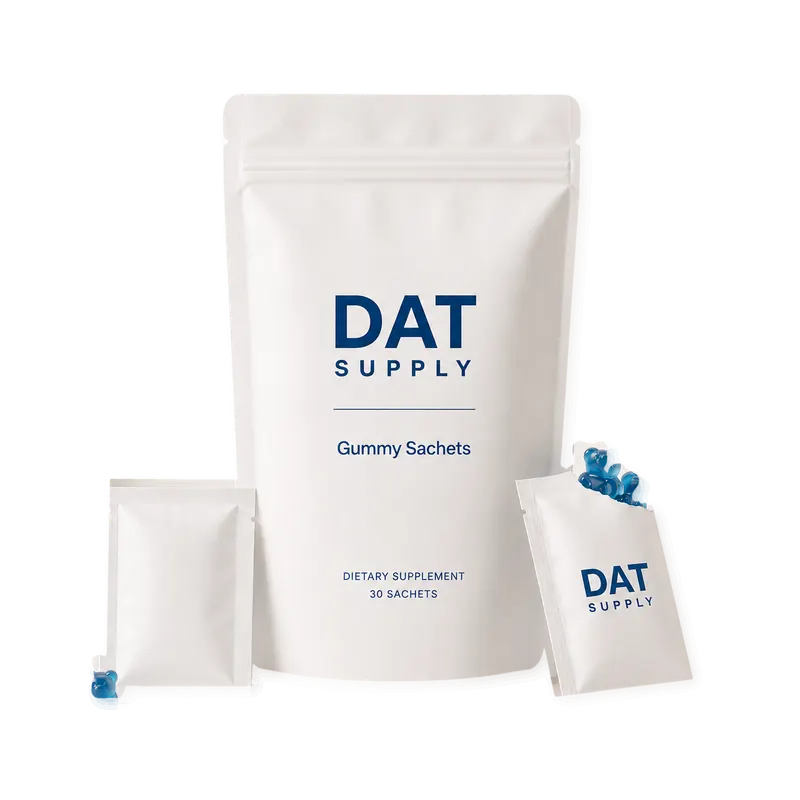
Kids Daily Multi Sachets
Private label kids daily multi sachets for supplement brands. Pectin-based, target-market reviewed manufacturing.
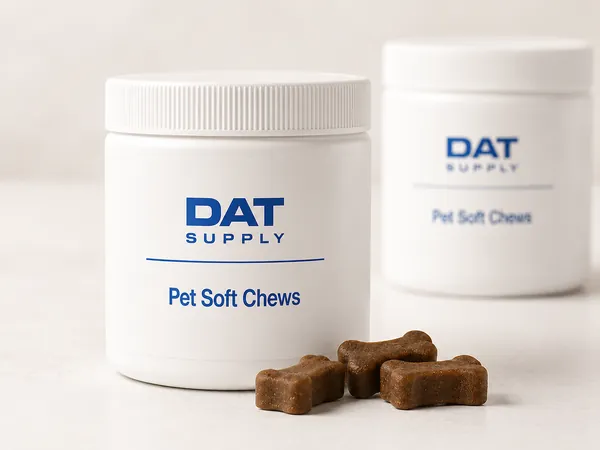
Dog Eye Vision Soft Chews
Private-label dogs soft chew: 3 g chew, 60 per bottle, 180 g net. An Antioxidant Blend Formulated For Senior Animals.
Kids Focus & Learning Sachets
Private label kids focus & learning sachets for supplement brands. Pectin-based, target-market reviewed manufacturing.
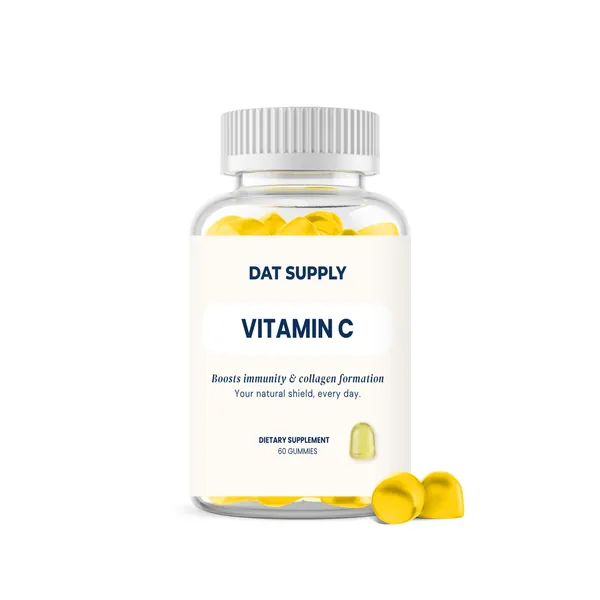
Vitamin C Gummies
Vitamin C gummies at 90 mg per serving.

Gut Balance Gummies
Private label gut balance gummies for supplement brands. Pectin-based, target-market reviewed manufacturing.
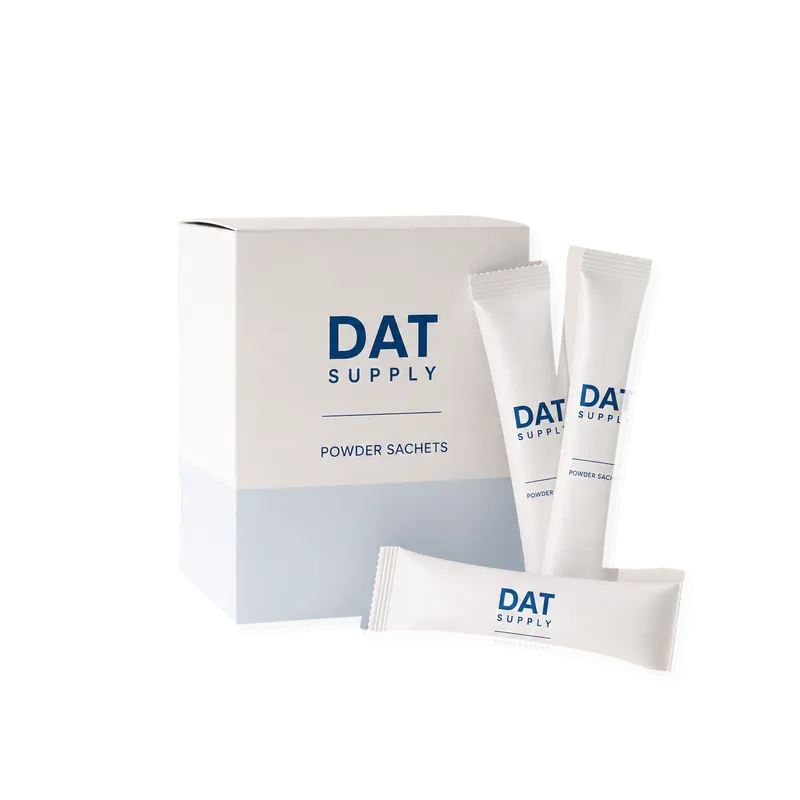
Vitamin C Powder
Private-label vitamin c powder (powder format). Key actives: Vitamin C, Zinc. Per 1 sachet. EU & US draft formula, MOQ-friendly private label.
Starting small from Maine, deliberately
Starting small is a strategy, not a compromise, and the EU route is built to allow it. A Maine brand can begin with catalogue samples — paid upfront, with no production obligation — and take a first order at the entry tier of the standard ladder, where the jar route opens at a lower tier than the doypack route on the MOQ reference. The rest of the machinery scales down with the order: staged documentation still arrives, the per-batch certificate of analysis still follows production and QC release, and the shipping leg into New England is confirmed at order setup exactly as it would be for a far larger run.
A first Maine product, one step at a time
One product, one format, one tier. Gummies are a straightforward first format; a pet line in soft chews is a close second for brands starting where their audience is — with powder sachets, functional jellies, oral strips and liquid drops available when the second product is ready. Sample, review, then order at the entry tier and let the published planning window set expectations, with the exact timeline fixed during order setup before payment. Nothing about a small first order closes off the later range: the ladder is there to climb, and the catalogue is there to extend into when the first product has proven itself.
Frequently asked questions — Maine brands
What is the smallest first order a Maine brand can place?
The entry tier of the standard order ladder — the exact quantities sit on the MOQ reference rather than in page copy, and packaging matters, since the jar route opens at a lower tier than the doypack route. Order setup confirms the specific configuration.
Can a Maine brand sample a single format before deciding anything?
Yes. Samples are catalogue-based, paid upfront and carry no production commitment, so evaluating one gummy reference — or one pet soft chew — is a complete, self-contained first step.
Related pages for Maine brands
Continue exploring
Start a private label supplement project for your Maine brand
Send your project details — DAT Supply will review and route the project to the right working track for Maine brand owners.