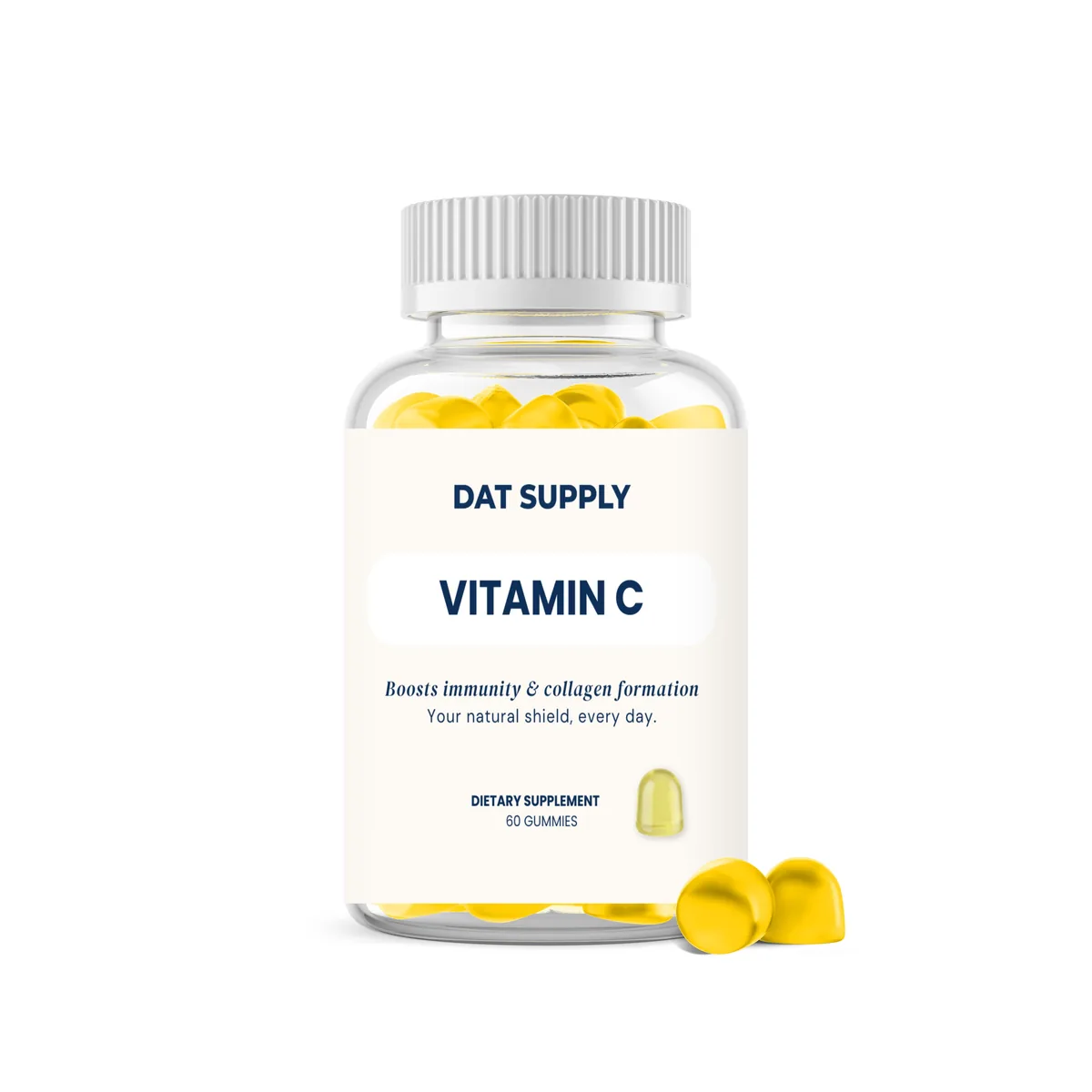
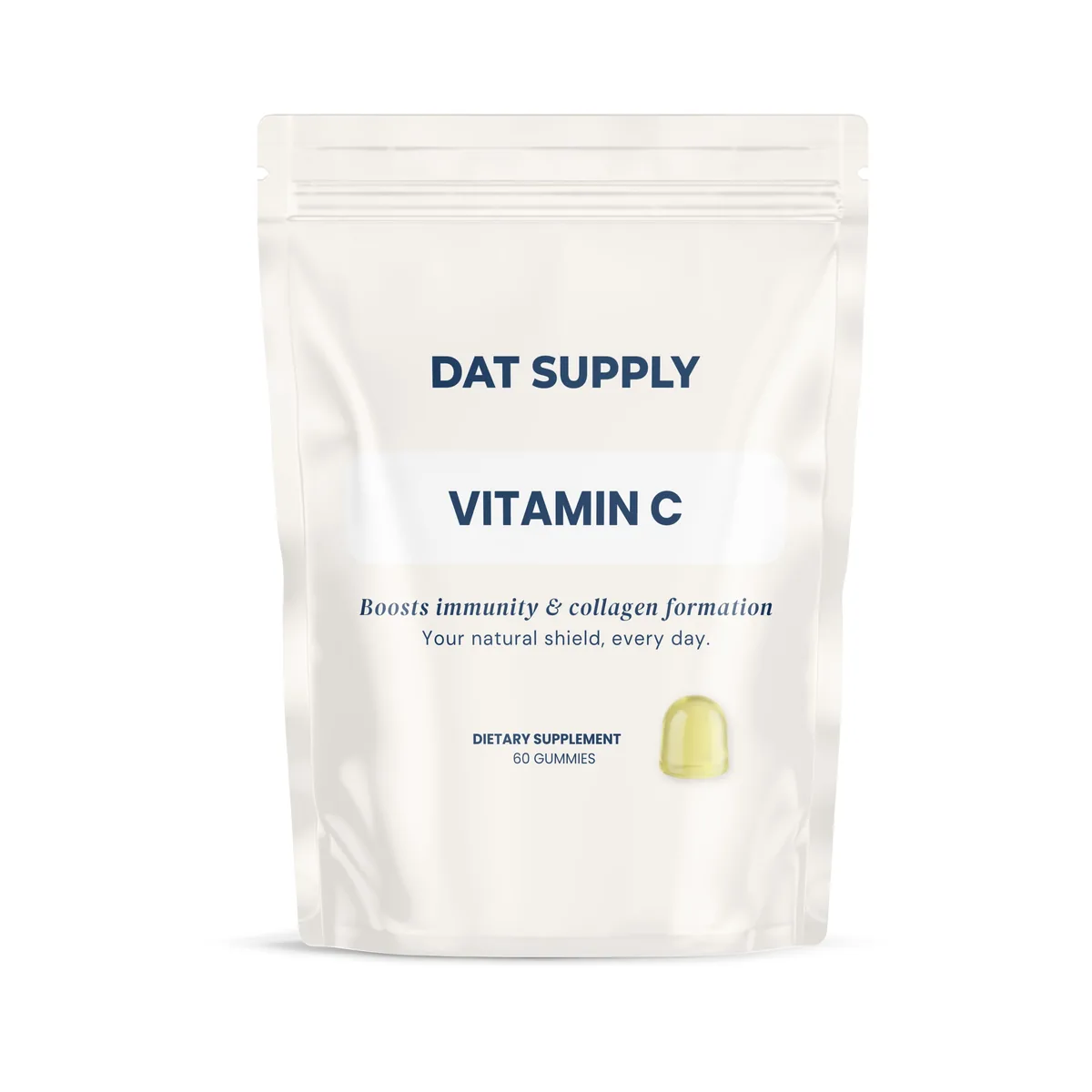


- Private-label formula ready for your brand
- Order samples before production
- Choose PET bottle or doypack during order setup
- Documents and approvals managed in the portal
- 1 Select
- 2 Review
- 3 Sample
- 4 Approve
- 5 Produce
- 6 Deliver
Packaging and minimum order quantities
Confirmed against your brief during order setup — after you have seen samples, never before. Project-specific packaging, flavour, colour or shape adjustments may be reviewed after order start.
The standard PET jar route for a first production run.
Stand-up pouch packaging on the same private-label route.
Single-serving sachet — gummies portioned for daily-routine and travel.
Product overview
The reviewed private-label concept, framed for brand owners.
Vitamin C (ascorbic acid) gummy at 90 mg per serving — meeting reference-intake target reviewed per market. Pectin-based, vegan-friendly. Available in citrus and berry flavour profiles.
A single recognisable active in a plain gummy base
Vitamin C Gummies is formulated around ascorbic acid, the standard chemical form of Vitamin C used across the supplement aisle, in the catalogue's pectin-based, vegan-friendly gummy base. The record notes citrus and berry flavour profiles as the options already reviewed, a meaningful detail for a single-active SKU where flavour is one of the few variables a brand can lean on to differentiate from a competitor's near-identical vitamin C listing on the same crowded shelf and price band. Pectin rather than gelatine also keeps the SKU usable for a vegan-facing brand without a separate formulation.
A single well-known active in a plain gummy format is a low-complexity entry point into the Daily Vitamins range: there is no cofactor pairing or blend story to explain on pack, just the ingredient a shopper already recognises by name. That simplicity is the commercial case for this SKU, letting a brand list it with minimal formulation explanation and let the ingredient name carry the shelf conversation, which also makes it a fast SKU to launch relative to a multi-active concept requiring more label detail and review time before artwork is finalised.
The entry-tier anchor of a daily-coverage range
Daily Vitamins is the catalogue's foundational range for brands building a general daily-coverage line, and a single-recognisable-active gummy like this one typically anchors the entry tier of that range, often the first SKU a new private-label brand lists before adding a fuller multivitamin or a more specific concept around it as the range grows and the shopper base widens over successive orders. Where a brand positions this SKU relative to its other listings is ultimately a range-planning decision made during order setup, not a fixed rule. A brand mapping its own range against the catalogue's category structure would place this SKU accordingly before adding further concepts around it over time.
Iron C Gummies and Vitamin B12 Gummies are the closest same-category, single-active siblings in structure, each built around one recognisable ingredient rather than a blend, and Multivitamin Gummies is the fuller-panel sibling a brand typically adds once its single-active entry SKUs are already listed and performing well on shelf against comparable competitor listings in the same price tier. A brand building out a fuller range would typically revisit this placement as more SKUs are added alongside it and shopper feedback comes in. This positioning is a reasonable starting point rather than a fixed placement, and a brand can weight it differently once its own range takes shape.
Personalising and ordering this single-active formula
Make it Yours covers approved flavour, colour and shape on this exact formula, and flavour carries real weight here, since the record itself notes citrus and berry as the profiles already reviewed for this SKU, giving a brand a starting point rather than an open-ended choice to work through from a blank page or an untested flavour brief with no prior reference point. A brand should raise any pack-presentation preference at this stage rather than after artwork is already underway and harder to change. Artwork and packaging presentation are typically reviewed alongside flavour during the same personalisation step, rather than as a separate pass.
Adding a second active, changing the ascorbic acid dose, or introducing a new claim moves the project into the separately scoped Custom Product R&D route instead. Sampling this exact formula comes first, and label claims plus market compliance remain the brand owner's responsibility throughout the ordering process, well before any market launch or retailer listing is confirmed for a given territory. These decisions are typically locked before a sample is produced, rather than revisited afterward. A brand's own branding team usually leads this step, with DAT Supply confirming what the fixed formula and format allow.
Sample Vitamin C Gummies before you commit
Order a sample kit from your client workspace to review texture, flavour and finish — the expected next step before a production run.
Documents managed by order stage (US market)
Each document is released into your client workspace as the order moves through its review stages — never a public download. DAT releases the standard documentation package by project stage. External testing, full COA, additional microbiological reports, heavy metals, pesticide residue reports or raw-material supplier documentation are reviewed and quoted separately unless included in the agreed project scope.
- Product specificationOrder gate
Drafted at brief stage; locked before production. FDA/US market compliance confirmed.
- Nutrition / supplement factsOrder gate
Per-serving values and the US Supplement Facts label (21 CFR 101.36). Prepared per target market and DSHEA framework.
- Artwork checklistOrder gate
Dieline, on-pack copy and structure-function statement wording reviewed against DSHEA (21 USC §343(r)(6)) compliance.
- Batch / release documentsOrder gate
Issued after production and QC release — always batch-scoped. subject to per-market regulatory review testing summary available on request per project scope.
- Compliance dossierOrder gate
Supporting documentation (DSHEA structure-function substantiation, ingredient sourcing, FDA compliance evidence per project scope).
- Certificate of AnalysisOrder gate
A batch-specific Certificate of Analysis is available on request after production — ingredient identity, potency and contaminant screening.
Documentation availability depends on product, target market and project stage. The brand owner remains the food business operator and is responsible for final filings.
Where this concept sits
Where this concept slots into a brand plan. Positioning and claims are reviewed per project and target market.
Brand range expansion
Slot Vitamin C Gummies into an existing supplement range as the gummy SKU, with shared brand artwork direction and a per-SKU specification.
Adult daily-routine positioning
Pack copy positioned as part of an adult daily routine, with claim wording reviewed against target-market regulations per market.
Frequently asked questions
Can I request a sample before placing an order?
Yes. Sample requests go through the quote form. Lead time and sample format depend on packaging and any custom flavour or colour work.What is the MOQ?
MOQ is confirmed per project. Ready private-label option starts at 1,000 units in PET jars and 2,500 units in doypacks; custom configurations are confirmed after scope.Which markets is this product suitable for?
Market eligibility depends on the labelling, claims and certifications required for your destination — reviewed per project against the relevant EU / UK / non-EU framework.Do you provide a Certificate of Analysis?
A batch-specific Certificate of Analysis is provided after production and QC release. COA scope (microbiological, heavy metals, actives) is agreed up-front in the spec sheet.Can the formula be customised?
Common adjustments include flavour, colour, sugar profile and packaging count. Active-ingredient changes are evaluated against EU food-supplement rules and may move the SKU into a custom-formula tier.How long are typical lead times?
Lead time is typically 8–12 weeks depending on format, packaging, production slot and destination. Final timeline is confirmed during order setup before payment.
Related options

ACV Metabolic Daily Pack Sachets
Private label acv metabolic daily pack sachets for supplement brands. Pectin-based, target-market reviewed manufacturing.
Adaptogen Focus Gummies
Private label adaptogen focus gummies for supplement brands. Pectin-based, target-market reviewed manufacturing.
Ashwagandha Gummies
Private label ashwagandha gummies for supplement brands. Pectin-based, target-market reviewed manufacturing.
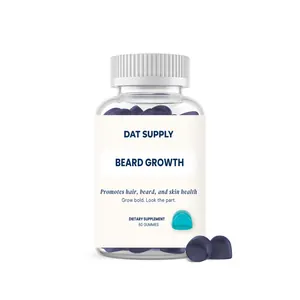
Beard Growth Gummies
Private label beard growth gummies for supplement brands. Pectin-based, target-market reviewed manufacturing.
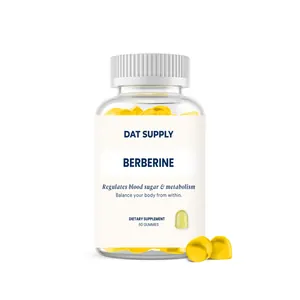
Berberine Gummies
Private label berberine gummies for supplement brands. Pectin-based, target-market reviewed manufacturing.
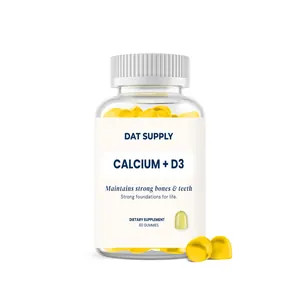
Calcium + D3 Gummies
Private label calcium + d3 gummies for supplement brands. Pectin-based, target-market reviewed manufacturing.
Daily Nutrition Pack Sachets
Private label daily nutrition pack sachets for supplement brands. Pectin-based, target-market reviewed manufacturing.
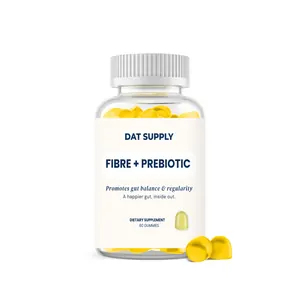
Fibre + Prebiotic Gummies
Private label fibre + prebiotic gummies for supplement brands. Pectin-based, target-market reviewed manufacturing.