Vitamin B12 (Cyanocobalamin)
Cyanocobalamin / methylcobalamin — central to energy and B-complex stacks.
- 1 Select
- 2 Review
- 3 Sample
- 4 Approve
- 5 Produce
- 6 Deliver
At a glance
- Definition
- Cyanocobalamin / methylcobalamin — central to energy and B-complex stacks.
- Format suitability
- Reviewed for gummies, oral strips and functional jellies — confirmed per project.
What sets B12 apart in this catalogue
Vitamin B12 sits inside the catalogue's B Vitamins family — a named family placement pyridoxine does not share. The catalogue description names both forms it works with, cyanocobalamin and methylcobalamin, describing the ingredient as central to energy and B-complex stacks rather than a peripheral addition.
That framing carries through into the claim ceiling. The row attaches only two permitted claim lines, both pointing the same direction: a contribution to the reduction of tiredness and fatigue, and to normal energy-yielding metabolism. There is no psychological or hormonal claim line here, unlike some other B vitamins in this catalogue — B12's neutral positioning stays inside that single energy theme, and label copy built on it has to stay there too. Energy gummies and B-complex gummies are the expected use cases, but the row lists vegan ranges alongside them — a third use case that sits outside the energy-and-stacking pattern the other two describe.
Where B12 shows up
The concepts that carry Vitamin B12 in this catalogue lean toward the mind-and-calm side of the range rather than the general-wellness spread pyridoxine sits in. On the pet side it turns up in a calming chew, a cognitive-support chew built for cats, and a probiotic drop formula. On the human gummy side it sits inside a mushroom-based brain formula and a calm-and-concentration blend filed under Mind & Mood, alongside a detox-positioned apple-cider-vinegar gummy and the standard cat and dog multivitamin bases.
Energy gummies, B-complex gummies and vegan ranges are the use cases the ingredient is typically bought for. The cognitive and calming concepts that carry it today mean a brand building a mind-or-mood-positioned range has just as natural an entry point for this vitamin as one building a straightforward multivitamin stack.
Bringing B12 into a range
B12 reaches a range through the same two-lane structure every catalogue active follows, and the starting point is whichever existing formula above already carries it. Personalisation on that base runs through Make it Yours — flavour, colour and shape only — while product naming and artwork sit inside the regular private-label branding workflow, a separate step from that flavour-colour-shape choice.
A brand wanting a different active mix, different amounts, or a claim beyond what a carrier formula already supports is describing a new composition, which is scoped separately as Custom Product R&D rather than an adjustment to what exists. Samples of the starting formula come before any production commitment either way, and once a label is drafted, the claims on it and market compliance sit with the brand owner, not with the catalogue.
Why brands use Vitamin B12 (Cyanocobalamin)
Vitamin B12 (Cyanocobalamin) is an essential vitamin commonly considered for daily-wellness ranges, sitting in the b vitamins family. On DAT Supply briefs it is most often considered for Energy gummies, B-complex gummies and Vegan ranges — the exact positioning is set by the brand brief and reviewed against the target market’s claim rules. Editorially we frame it around Contributes to the reduction of tiredness and fatigue (permitted-claim review required per market) and Contributes to normal energy-yielding metabolism (permitted-claim review required per market), using only applicable claims framework- or DSHEA-compatible wording for the final pack copy. Format-wise we have considered Vitamin B12 (Cyanocobalamin) for gummies, strip and jelly; the per-format formulation notes below describe the live constraints (taste, payload, stability, packaging) we tune in the formulation pass. Sourcing form (extract ratio for botanicals, salt or chelate form for minerals, free-form vs ester for amino acids) is reviewed against the brief, with documentation matched to the target market’s import rules. Inclusion rate and claim wording are reviewed per project — no two briefs land on the same combination, and we don’t publish off-the-shelf doses.
Formats this ingredient is reviewed for
DAT Supply covers gummy, capsule, softgel, tablet, powder, oral strip, liquid drop, shot, jelly and pet formats. The list below reflects every format this ingredient is reviewed for — chips link through to the manufacturing hub for each format. Final compatibility, dose and matrix are confirmed per project.
How we use Vitamin B12 (Cyanocobalamin) in formulas
A public-safe formulation reference — how this active behaves in our formats, common pairings and handling notes. Final formulation, dose and on-pack copy are confirmed per project.
- Heat stable
- Limited — use coated forms
- Soluble in matrix
- Conditional
- Vegan supply
- Project-specific
Per-format formulation notes
Safe-baseline considerations for each format this ingredient is reviewed for. Final formulation, dose and on-pack copy are confirmed per project.
Gummies
- Taste masking and aroma load against the cooked-base flavour — confirmed per project.
- Heat exposure during cooking; coated or encapsulated forms may be required — confirmed per project.
- Matrix choice (pectin vs gelatin) and its effect on ingredient stability — confirmed per project.
- Per-gummy dose and serving count needed to hit the label claim — confirmed per project.
Oral strips
- Per-strip dose ceiling — actives must fit a 30–60 mg film payload — confirmed per project.
- Sensory and dissolution constraints (mouth-feel, grit, bitterness) — confirmed per project.
- Film compatibility with the polymer base (pullulan / HPMC) — confirmed per project.
Functional jellies
- Set strength and matrix stability against the active load — confirmed per project.
- Heat exposure during cooking and the impact on potency — confirmed per project.
- Single-serve pouch or cup compatibility — confirmed per project.
US structure-function statements
Structure-function wording for this ingredient is reviewed per project against DSHEA (21 USC §343(r)(6)). No final on-pack copy is implied by this page.
Structure-function statements must appear with the FDA disclaimer in the same field of vision on the label. % Daily Value (DV) based on FDA 21 CFR 101.9.
These statements have not been evaluated by the Food and Drug Administration. This product is not intended to diagnose, treat, cure, or prevent any disease.
Claim framework
Across the EU and UK markets Vitamin B12 (Cyanocobalamin) is treated as a vitamin: any on-pack benefit wording must come from the applicable claims framework register (UK retains the same wording post-Brexit), and the inclusion rate has to meet the minimum thresholds tied to the chosen claim. For the US market, label benefit copy follows DSHEA structure-function rules with the standard "not intended to diagnose, treat, cure or prevent any disease" disclosure. We never reuse a market’s wording as if it carried over — claim copy is rewritten per market and reviewed per project. Country-level rules (e.g. France, Italy, Belgium for the EU; California Prop 65 for the US) layer on top, and the back-of-pack nutritional table is built against the market’s reference intake framework.
Typical anchor: mcg per serving — confirmed per project.
Vitamin B12 (Cyanocobalamin) is measured by weight (mcg) per serving on DAT Supply briefs. The working anchor — the inclusion rate against which target-market claim wording is reviewed — is set during the formulation pass for each project rather than published as a fixed number on the public page. Final per-serving load depends on the chosen format (gummy payload window, capsule fill weight, softgel oil load, sachet or powder scoop size, oral-liquid bottle geometry) and the claim wording the brand needs to support against the target market. Sourcing form (extract ratio, standardised marker, micronised vs granular, salt or chelate form) is reviewed in the same pass. Country-level upper limits (France, Italy, Belgium for the EU; California Prop 65 for the US) are checked before any inclusion rate is finalised. Dose is confirmed per project — we don’t publish off-the-shelf dose tables for any active in the catalogue.
Formulas using Vitamin B12 (Cyanocobalamin)
Private-label options where Vitamin B12 (Cyanocobalamin) is in the formula — a ready starting point for your brand.

Folate Strips
Private-label oral strip: 30 strips per box, 200 mg pullulan film, 1 strip per serving. Folate Strips
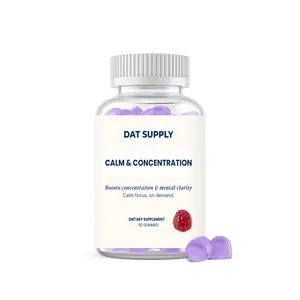
Relax Gummies
Private label relax gummies for supplement brands. Pectin-based, target-market reviewed manufacturing.
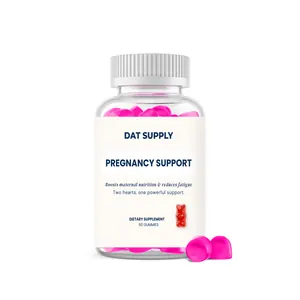
Pregnancy Support Gummies
Private label pregnancy support gummies for supplement brands. Pectin-based, target-market reviewed manufacturing.
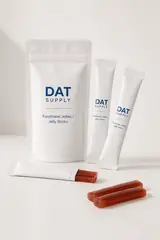
Kids Multivitamin Jelly
Private-label functional jelly stick: 20 g stick, 30 per carton. A Kid-Friendly Vitamin Profile With No Artificial Colours.
B12 Energy Jelly
Private-label functional jelly stick: 20 g stick, 30 per carton. B-Vitamins And Natural Energy Actives.
Beetroot Energy Jelly
Private-label functional jelly stick: 20 g stick, 30 per carton. Performance And Recovery Actives.
Hair Volume Gummies
Private label hair volume gummies for supplement brands. Pectin-based, target-market reviewed manufacturing.
Guarana Energy Strips
Private-label oral strip: 30 strips per box, 200 mg pullulan film, 1 strip per serving. Guarana Energy Strips
The formulas above sit in these private-label ranges:
Similar ingredients
Ingredients that frequently sit alongside this one in private-label supplement briefs.
Astaxanthin
Astaxanthin is used in private-label supplement manufacturing. Sourcing, dose anchors and target-market documentation are reviewed per project.

B-complex
B-complex is used in private-label supplement manufacturing. Sourcing, dose anchors and target-market documentation are reviewed per project.

Beta-Carotene
Beta-Carotene is used in private-label supplement manufacturing. Sourcing, dose anchors and target-market documentation are reviewed per project.

Calcium
Calcium is used in private-label supplement manufacturing. Sourcing, dose anchors and target-market documentation are reviewed per project.

Choline Bitartrate
Choline Bitartrate is used in private-label supplement manufacturing. Sourcing, dose anchors and target-market documentation are reviewed per project.
Folate (5-MTHF)
Folate (5-MTHF) is used in private-label supplement manufacturing. Sourcing, dose anchors and target-market documentation are reviewed per project.
Build a formula around Vitamin B12 (Cyanocobalamin)
Explore the private-label options that use Vitamin B12 (Cyanocobalamin), or order samples to review formula, flavour and texture before you commit.